Get Started with $0 Down – Call Us Today!


Prefer to talk it through? Call (602) 806-6806 — we answer.
Phoenix's housing stock spans several distinct eras. Older central neighborhoods like Arcadia, Ahwatukee, and the North Central Corridor saw heavy construction from the 1960s through the 1980s, with builders like Hallcraft and John F. Long laying down concrete tile on organic felt underlayment. A second major wave hit the outer rings — areas like Laveen, Desert Ridge, and New River — from the mid-1990s through 2006, using early synthetic underlayments that are now 20-plus years old. Both eras share the same problem: the tile survives but the membrane beneath it degrades long before the tile gives any visible sign of trouble.
The most consistent failure point on Phoenix roofs is the underlayment, not the tile above it. Phoenix sits in a basin that concentrates radiant heat, and UV exposure along flat or low-pitch sections — common in Desert Ridge and Ahwatukee Foothills — accelerates membrane breakdown from underneath the tile field. Ridge and hip bedding mortar also cracks and separates in the thermal cycling between summer highs above 110°F and cool winter nights. Monsoon microbursts drive horizontal rain into ridge caps and flashings at the valley transitions, which is where active leaks typically originate on homes along South Mountain's north-facing slopes and in the Laveen grid developments west of 51st Avenue.
Full tile replacement on a Phoenix single-family home runs $12,000–$22,000. Underlayment-only renewal, where the tile is lifted, stacked, and relaid over a new membrane, runs $8,000–$14,000. Asphalt shingle replacement runs $9,000–$15,000. What moves the number: roof pitch above a 4:12 adds labor; multiple tear-off layers add disposal cost; soft or delaminated decking boards found during tear-off are replaced at cost before new material goes down; and homes in master-planned communities with architectural review committees add a few days for HOA approval coordination before the crew can start.
Every job starts with a written inspection report and timestamped photos of the actual membrane condition, ridge bedding, flashings, and decking — delivered before any proposal is signed. The quote is a fixed job total, not an estimate that grows at tear-off. Financing with $0 down is available for qualified homeowners, and most jobs install in one to three days once materials are staged. If you have a leak question after Monday night's microburst or you want to know whether your underlayment has life left, reach out and we will get you a straight answer fast.
Read more from our Phoenix work: Monsoon Roof Damage Claims in Phoenix and What to Check Inside Your Home After a Phoenix Monsoon, or see our roof replacement and repair services. Call (602) 806-6806 for a written inspection in Phoenix.
Those are real local numbers. Now see yours — no inspection required to get a ballpark.
See What My Roof Would Cost — Free Instant EstimatePrefer to talk it through? Call (602) 806-6806
Tile, shingle, storm damage, underlayment. If it keeps water out of your home, we handle it.
No upselling. The right system for your home and budget, backed by a 10-year workmanship warranty — up to 25 years manufacturer-backed on Tamko shingle systems.
Find the source, fix it right, document for insurance. Same-week inspection available.
Inspect, document, and work directly with your adjuster. We know how AZ insurers handle monsoon claims.
Lift tile, install new membrane, reset. Saves thousands vs. full replacement when tile is sound.
Written report with photos. Insurance-ready and free with any repair quote. No obligation.
Monsoon hit at midnight? We protect your home immediately and stop further water damage.
How It Works
Call or submit online. On-site within 24 to 48 hours. No fee, no obligation.
We show what we found, what it costs, and what happens if you wait.
Same crew, on time. Most jobs finish in 1 to 3 days with complete cleanup.
10-year workmanship warranty in writing — up to 25 years manufacturer-backed on Tamko shingles. If anything is off, we fix it.
Local Coverage
Licensed AZ ROC #345156 · Tamko Diamond Certified. If your community is on this list, chances are we’ve already worked on a street near you.
Book Your Free InspectionAll Storm Roofing serves Phoenix neighborhoods including Ahwatukee Foothills, Arcadia, Desert Ridge, Laveen, North Central Phoenix, Deer Valley, Maryvale, and the South Mountain area.
FAQ
Still have questions? Call (602) 806-6806
Yes. Concrete and clay tile routinely outlasts the membrane beneath it by ten or more years. The tile is a weather deflector; the underlayment is the actual waterproof barrier. In Phoenix's heat, organic felt membranes installed before the mid-1990s become brittle and crack. Even early synthetics laid during the 2000s building boom are now past their reliable service window. The only way to know the membrane's condition is to lift a field section and inspect directly — that is part of every inspection All Storm performs before quoting.
Inside the home: water stains on ceilings near exterior walls, at skylights, or along ridgeline ceilings are direct leak indicators. On the roof: cracked or missing ridge cap mortar, displaced or cracked tiles along hips, and lifted metal flashings at parapet walls and HVAC curbs are the most common monsoon entry points. After sustained heat, look for granule loss on any shingle sections and check whether ridge vent foam has compressed or separated. Soft spots when walking the roof indicate decking that has delaminated from moisture cycling below the tile field.
Organic felt underlayment — standard on homes built before roughly 1995 — has a realistic service life of 15 to 20 years in Phoenix's UV and heat load. That material is well past its window on most older Arcadia and North Central homes. First-generation synthetics installed from the mid-1990s through the mid-2000s carry manufacturer ratings of 20 to 25 years but often show degradation earlier due to prolonged exposure above 105°F. Current high-temperature synthetics are rated for 25 to 50 years depending on product. The membrane's actual age and condition, not the tile's appearance, should drive your replacement decision.
All Storm prices jobs as totals for a typical single-family home, never per square foot. Full tile replacement runs $12,000–$22,000. Underlayment-only renewal — where existing tile is carefully lifted, stacked, and relaid over a new membrane — runs $8,000–$14,000. Asphalt shingle replacement runs $9,000–$15,000. The number moves based on roof pitch, number of existing layers to remove, the condition of the decking once exposed, and whether HOA architectural review adds material or scheduling requirements. You receive a fixed job total before any work begins.
Many Phoenix homes are not in an HOA, so no approval process applies. If your home is in a master-planned community with an architectural review committee — common in Desert Ridge, Ahwatukee Foothills, and newer Laveen developments — the ARC must approve material and color selections before installation begins. All Storm prepares the submission package, including product specs and color samples, so you are not navigating that process alone. Approval timelines vary by association, but we factor that into scheduling so the crew and materials are ready to move the day approval is confirmed.
.webp)
Storm Damage · Google Review
“We got 5 leaks in a bedroom and the kitchen. It was a distressing emergency… within a few hours they had two guys over to inspect the roof and gave me three great options. They started the job the next day on Thursday and were done by Friday evening replacing a 4000sq ft roof… That roof won't leak for another 30 years. Peace of Mind.”

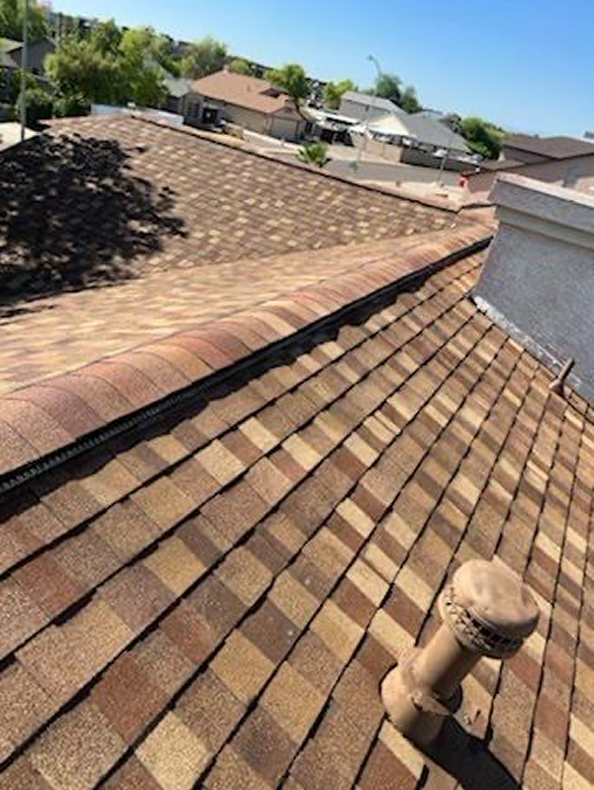
Roof Replacement · Google Review
“If I could give 10 stars I would… He had my whole roof done in one day… in today's contractor climate it's hard enough to even get them to show up. Tuuta it's nice to meet somebody that's about it and doing it the right way.”
Roof Repair · Google Review
“We're extremely happy with our new roof! Not only did All Storm replace the underlayment of our roof they also fixed our solar panel railings and brackets that were rusted! They did all of our contracted work in a timely manor.”
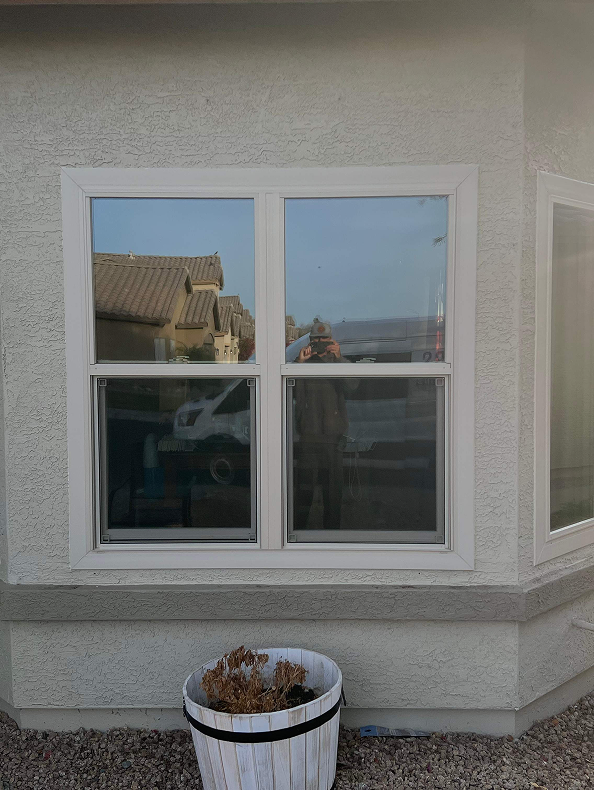
Roofing · Google Review
“All Storm did an amazing job replacing my roof and installing lighting on the house! Their employees were super friendly and very responsive when I had questions. Their pricing was better than others in the area as well.”
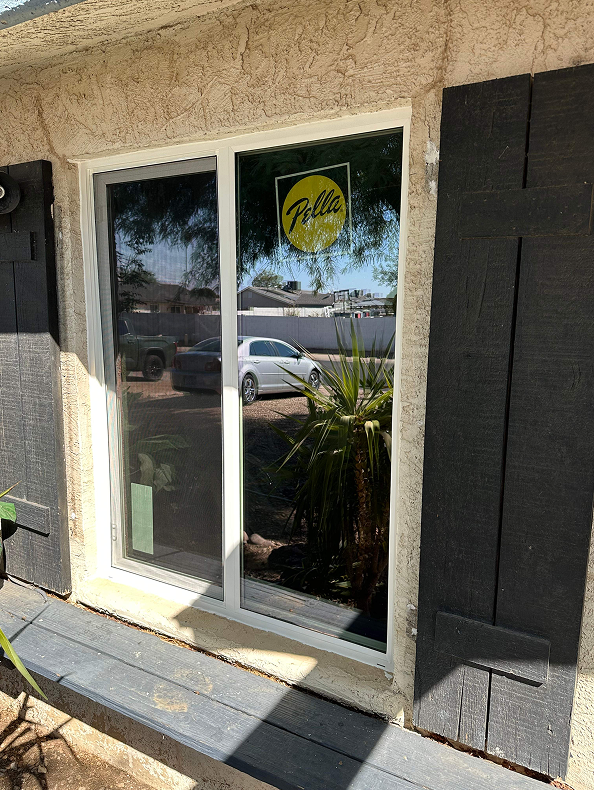
Permanent Lighting · Google Review
“My family and I just love our new lights! It truly improves the look of the house at night… When they are not on you can't even see them which is a bonus. Charlie did a wonderful job and was a really nice guy. You won't be disappointed!”
.svg)
.svg)



We’re proud to now be recognized as a Tamko Diamond Contractor & GAF Certified.


.avif)

.svg)
