Get Started with $0 Down – Call Us Today!


Prefer to talk it through? Call (602) 806-6806 — we answer.
San Tan Valley is one of the youngest large subdivisions in the Phoenix metro, with the bulk of its housing stock built between 2004 and 2015 by production builders including Shea Homes, D.R. Horton, Fulton Homes, and Meritage Homes. Nearly every home was roofed with concrete or clay tile over a single layer of 30-pound felt or a basic self-adhering base sheet — the standard for that era. Those underlayments carry a functional life of roughly 15 to 20 years, which means a significant share of San Tan Valley homes are now approaching or past that window even though the tile itself still looks intact from the street.
The most consistent failure point on San Tan Valley roofs is the underlayment beneath the tile, not the tile itself. The community sits in an exposed desert basin east of Queen Creek Road where summer temperatures regularly push roof-deck temperatures above 170°F and monsoon storms roll in from the southeast with little obstruction. Subdivisions along Schnepf Road and the Encanterra and Johnson Ranch areas see standing water pooling at low-slope roof transitions when valley flashings degrade. Ridge cap mortar — the bedding that locks hip and ridge tiles in place — cracks and separates within ten to fifteen years under that thermal cycling, which is a common finding in homes throughout the area.
A full concrete or clay tile replacement on a typical San Tan Valley single-family home runs $12,000–$22,000. An underlayment-only renewal — removing every tile, replacing the underlayment, and resetting the same tile — runs $8,000–$14,000. Asphalt shingle replacement runs $9,000–$15,000. What moves the number inside those ranges: roof pitch above 6:12 adds labor and safety equipment costs; a two-layer tear-off or rotted decking adds material and disposal; homes over 2,400 square feet of roof area push toward the upper end. HOA-governed communities like Encanterra require ARC approval before work begins, which adds lead time but not necessarily cost.
The process starts with a scheduled on-site visit where we document every finding with photos and produce a written inspection report — no verbal estimates, no pressure. The quote is line-itemed so you can see exactly what you are paying for. Financing with $0 down is available for qualified homeowners, and most jobs are completed in one to three days once materials are on-site. If you are ready to find out what your roof actually needs, reach out to schedule your inspection.
Read more from our San Tan Valley work: Monsoon Roof Repair Costs in Queen Creek and San Tan Valley and Roof Repair vs. Replacement After a Monsoon Storm, or see our roof replacement and repair services. Call (602) 806-6806 for a written inspection in San Tan Valley.
Those are real local numbers. Now see yours — no inspection required to get a ballpark.
See What My Roof Would Cost — Free Instant EstimatePrefer to talk it through? Call (602) 806-6806
Tile, shingle, storm damage, underlayment. If it keeps water out of your home, we handle it.
No upselling. The right system for your home and budget, backed by a 10-year workmanship warranty — up to 25 years manufacturer-backed on Tamko shingle systems.
Find the source, fix it right, document for insurance. Same-week inspection available.
Inspect, document, and work directly with your adjuster. We know how AZ insurers handle monsoon claims.
Lift tile, install new membrane, reset. Saves thousands vs. full replacement when tile is sound.
Written report with photos. Insurance-ready and free with any repair quote. No obligation.
Monsoon hit at midnight? We protect your home immediately and stop further water damage.
How It Works
Call or submit online. On-site within 24 to 48 hours. No fee, no obligation.
We show what we found, what it costs, and what happens if you wait.
Same crew, on time. Most jobs finish in 1 to 3 days with complete cleanup.
10-year workmanship warranty in writing — up to 25 years manufacturer-backed on Tamko shingles. If anything is off, we fix it.
Local Coverage
Licensed AZ ROC #345156 · Tamko Diamond Certified. If your community is on this list, chances are we’ve already worked on a street near you.
Book Your Free InspectionAll Storm Roofing serves homeowners throughout San Tan Valley including Johnson Ranch, Encanterra, Ironwood Crossing, Pecan Creek, San Tan Heights, and Bella Vista Farms.
FAQ
Still have questions? Call (602) 806-6806
Yes, and this is the most common situation in San Tan Valley. Concrete tile is durable and can last 40 or more years, but the underlayment beneath it degrades from heat and UV exposure in 15 to 20 years. Once the underlayment fails, the next monsoon rain event can push water under lifted or cracked tiles and directly onto the roof deck. An on-site inspection with photo documentation shows the actual condition of the underlayment at the valleys, ridges, and penetrations — the spots that fail first — regardless of how the tile surface looks.
After a storm, look for displaced or cracked ridge and hip tiles, debris accumulation in valleys, and any interior water staining at ceiling drywall or in the attic. On the roof surface, lifted tile edges and missing mortar at the ridge caps are visible signs. Heat damage shows up more slowly: underlayment that has dried out and cracked at laps or around pipe boots no longer creates a watertight seal even when tile is in place. If your home was built before 2010 and has never had an underlayment inspection, a post-monsoon check is worth scheduling regardless of visible damage.
The 30-pound felt used by most production builders in San Tan Valley from 2004 through 2015 has a functional lifespan of 15 to 20 years under normal desert heat and UV cycling. Modern synthetic underlayments installed today carry manufacturer ratings of 25 to 50 years and handle thermal movement better than felt. If your home was built during that production-builder period and has the original underlayment, it is at or near the end of its service life. An underlayment-only renewal resets that clock without replacing tile that still has decades of life left in it.
Full tile replacement on a typical San Tan Valley single-family home runs $12,000–$22,000. Underlayment-only renewal — removing tile, replacing the membrane, and resetting the same tile — runs $8,000–$14,000. Asphalt shingle replacement runs $9,000–$15,000. These are job totals, not per-square-foot figures. Pitch, decking condition, tear-off layers, and roof area all affect where a specific job lands inside those ranges. We provide a written, line-itemed quote before any work begins so there are no surprises.
Many San Tan Valley homes are not in an HOA, so no external approval is required. However, master-planned communities including Encanterra have an Architectural Review Committee that must approve material and color selections before a roofing project can begin. All Storm prepares the ARC submission — documentation, material samples, and color specifications — so the homeowner does not have to navigate that process alone. Approval timelines vary by community, so identifying HOA requirements early keeps the project schedule on track.
.webp)
Storm Damage · Google Review
“We got 5 leaks in a bedroom and the kitchen. It was a distressing emergency… within a few hours they had two guys over to inspect the roof and gave me three great options. They started the job the next day on Thursday and were done by Friday evening replacing a 4000sq ft roof… That roof won't leak for another 30 years. Peace of Mind.”

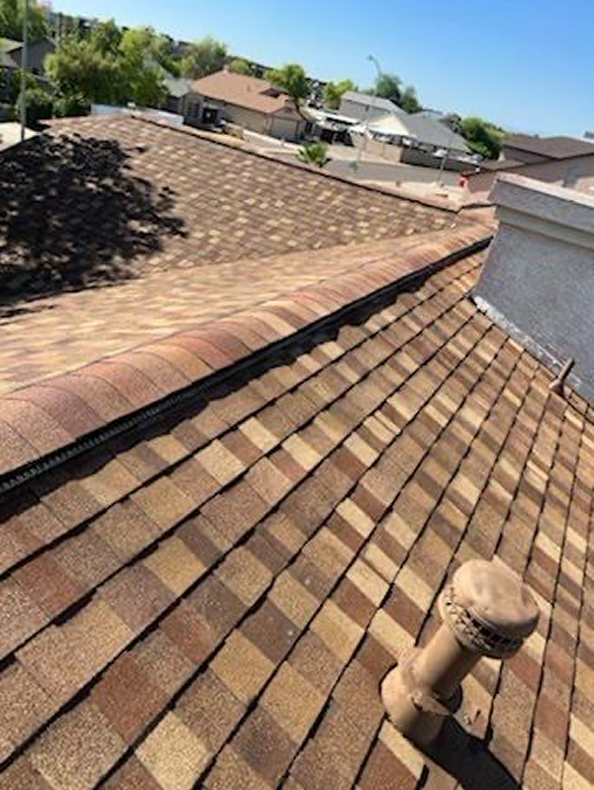
Roof Replacement · Google Review
“If I could give 10 stars I would… He had my whole roof done in one day… in today's contractor climate it's hard enough to even get them to show up. Tuuta it's nice to meet somebody that's about it and doing it the right way.”
Roof Repair · Google Review
“We're extremely happy with our new roof! Not only did All Storm replace the underlayment of our roof they also fixed our solar panel railings and brackets that were rusted! They did all of our contracted work in a timely manor.”
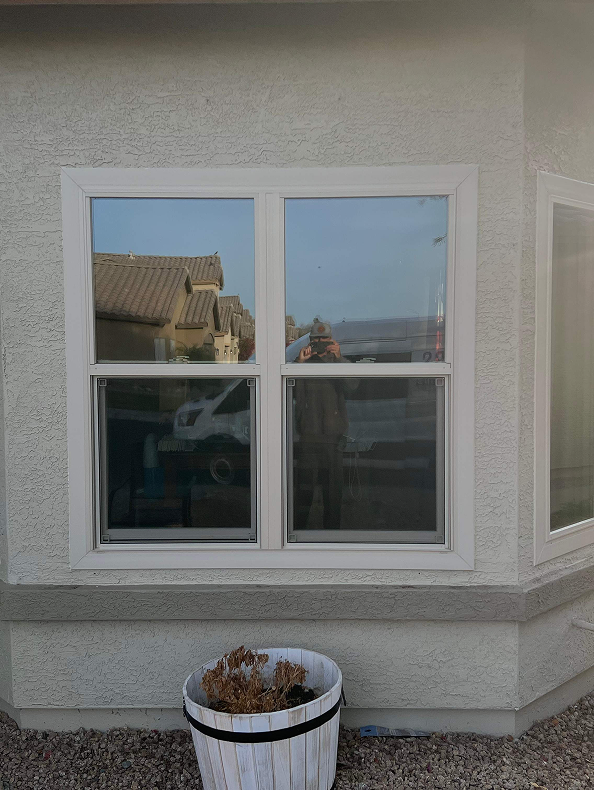
Roofing · Google Review
“All Storm did an amazing job replacing my roof and installing lighting on the house! Their employees were super friendly and very responsive when I had questions. Their pricing was better than others in the area as well.”
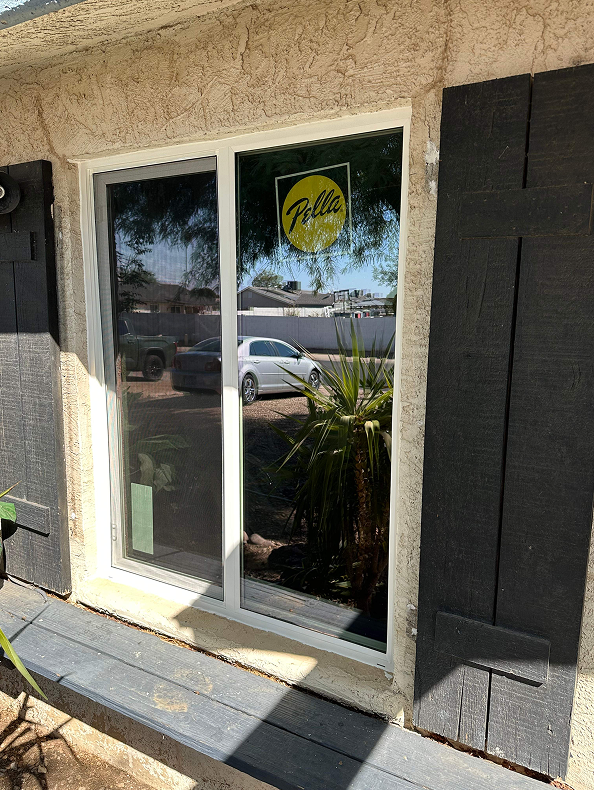
Permanent Lighting · Google Review
“My family and I just love our new lights! It truly improves the look of the house at night… When they are not on you can't even see them which is a bonus. Charlie did a wonderful job and was a really nice guy. You won't be disappointed!”
.svg)
.svg)



We’re proud to now be recognized as a Tamko Diamond Contractor & GAF Certified.


.avif)

.svg)
