Call us at (602) 806-6806


All Storm Roofing inspects tile, shingle and flat roofs for homeowners in Gilbert and across the East Valley, from our office on Williams Field Road in Gilbert. An inspection shows what shape your roof is in and whether it needs nothing, a repair, new underlayment or a new roof. On tile roofs that means looking past the tile, because on most East Valley tile roofs, the underlayment wears out long before the tile does.
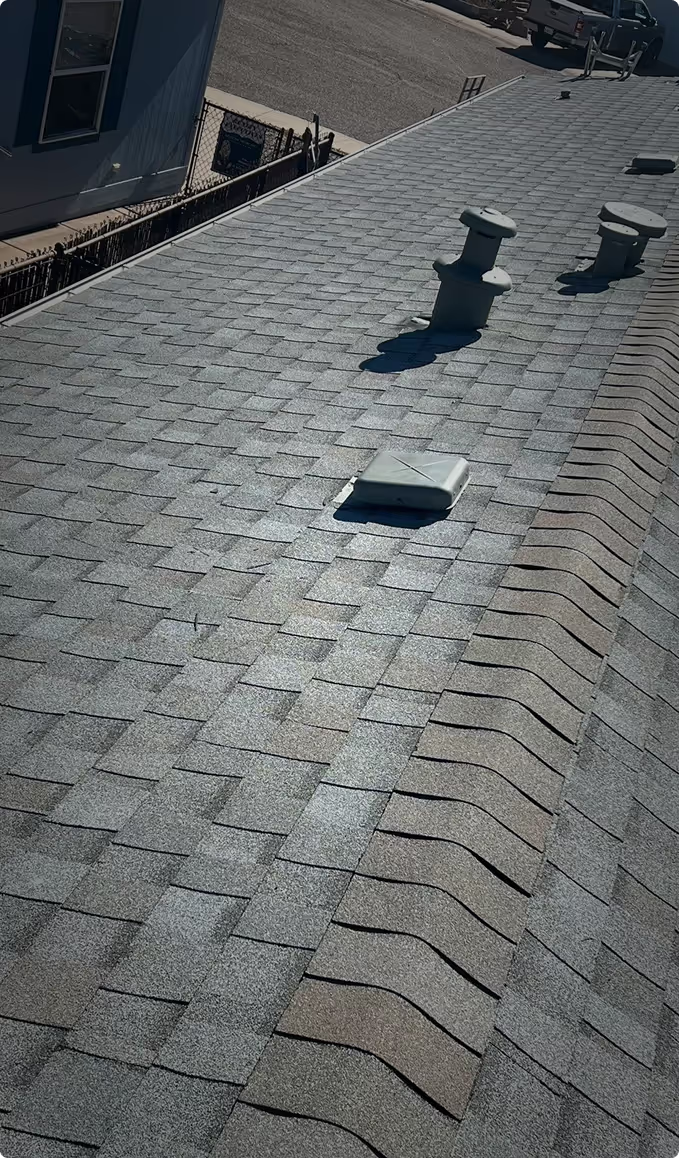
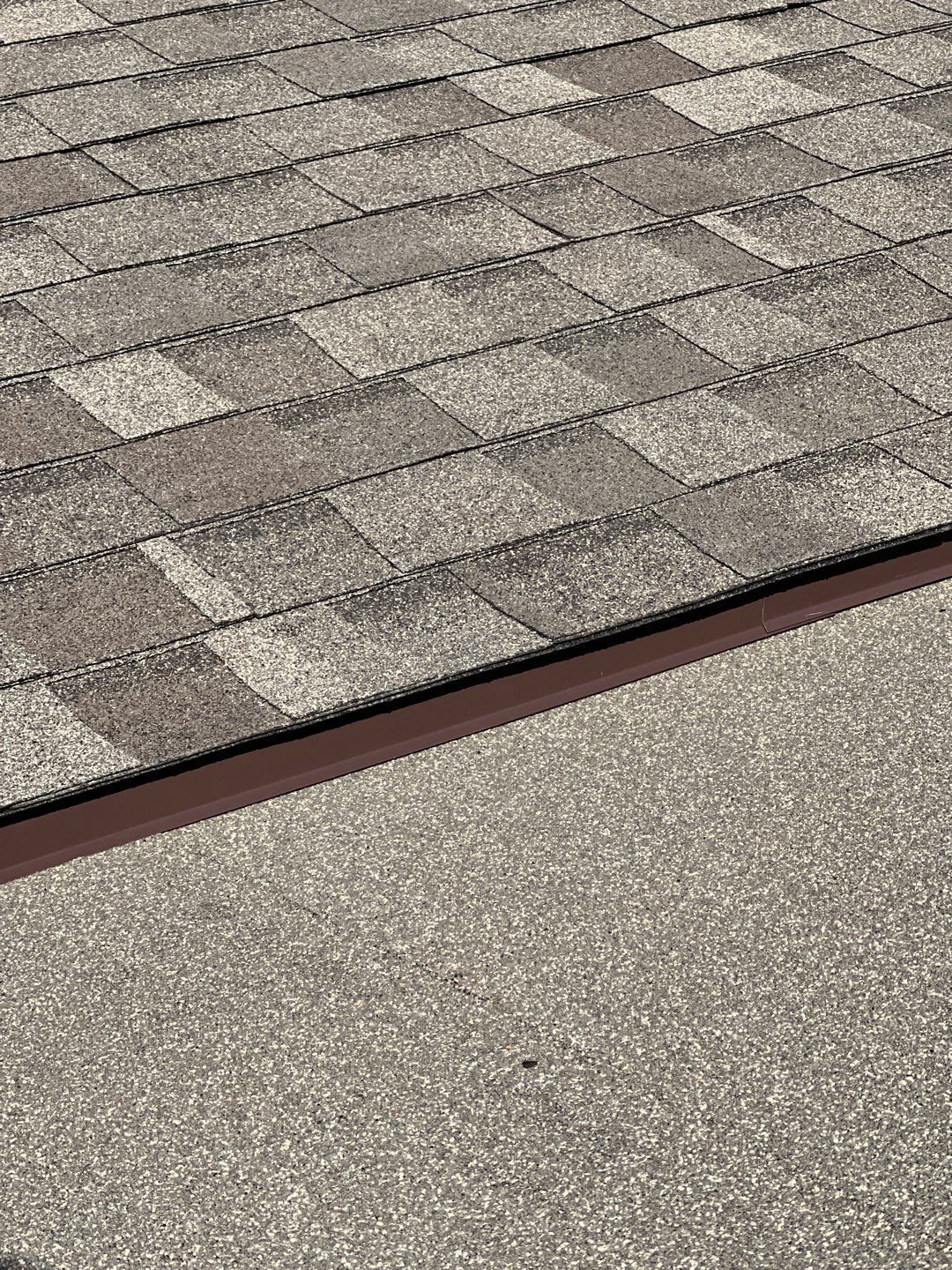
NRCA says curling or splitting shingles are evidence of wear, and loose or missing tabs should be repaired to keep the roof watertight.
NRCA says cracked, broken or missing tiles need to be repaired or replaced.
Roofing engineers writing for IIBEC say wind damage to shingles shows as creases, folds, tears, or missing shingles or parts of shingles, especially where the roof takes more wind, such as eaves, hips and ridges.
A Haag Engineering article in Professional Roofing says shingles must be punctured or fractured by hail before they count as functionally damaged, and that granule loss on its own is normal weathering.
If you file a claim, here's how we help. With your permission, we meet the adjuster at your home for the inspection. At your request, we send photos and inspection reports to your insurance company, and we prepare supplements when they're needed.
What your policy covers is between you and your insurer. We don't make that call.
NRCA, the national roofing contractors' association, recommends inspecting a roof at least twice a year, preferably in the spring and fall, with extra inspections after severe weather such as a hailstorm. That guidance comes from a 2013 NRCA article written for roofs nationwide. For tile, the industry group TRI Alliance says to inspect two years after the roof goes on and every couple of years after that. Our own recommendation is an inspection once a year and after big storms.
Other common reasons to book one: a stain on the ceiling, a storm that came through, or a house where you don't know how old the roof is. Our post on how to find out how old your roof is covers the paperwork side of that last one.
On most East Valley tile roofs, the underlayment wears out long before the tile does. The tile is what you see from the street, and the underlayment under it is the backup water barrier. That's why a tile roof can leak when the tiles look fine. Our post on why a tile roof leaks when the tiles look fine explains it, and how to tell if your roof underlayment needs replacement covers the signs.
TRI Alliance makes two points worth knowing before an inspection. Underlayment that hasn't been exposed to the elements will likely keep shedding water, whatever its age. But new or reused tiles "should not be installed over compromised underlayment regardless of the age of the roof system." So a good tile inspection looks at both layers.
The National Weather Service treats June 15 to September 30 as monsoon season in Arizona. After a storm, TRI Alliance says trained and licensed roofing professionals can provide the inspections needed to find the actual condition of a roof. On tile, TRI notes that a trained professional should be able to tell a fresh break from an older crack.
NOAA's storm database records damaging wind and small hail inside Gilbert from 2016 to July 2026. On July 13, 2022, for example, Gilbert Police reported numerous downed trees and debris on roads, with winds estimated at 60 mph.
If water is already coming in, our emergency and storm damage roof repair page covers that situation. For what to check after the season, see what a post-monsoon roof inspection looks for.
You get a written scope for the work the inspection found, sized to what you want done, from one section of the roof to the whole roof. From there, the job is one of three:
If we find rotten or damaged decking during the work, it gets replaced. On tile underlayment jobs, we always show you before and after photos. A dedicated project manager is on each job.
You can check any roofer's license with the Arizona Registrar of Contractors at roc.az.gov. Our guide on how to choose a roofing contractor in Gilbert lists what else to ask.
Book an inspection with us. We serve the East Valley, including Gilbert, Chandler, Mesa, Queen Creek and San Tan Valley, and we also serve the rest of the Phoenix metro Valley and as far south as Tucson. We answer 24/7 at (602) 806-6806, or you can book an inspection online.
A licensed contractor. All Storm Roofing is based in Gilbert, holds AZ ROC license #345156 (KB-2), and inspects tile, shingle and flat roofs. If you plan to file a claim, we can meet your adjuster at the home with your permission.
We recommend once a year and after big storms. NRCA recommends at least twice a year, spring and fall, plus after severe weather. TRI Alliance says tile roofs should be inspected two years after installation and every couple of years after that.
There's no charge for a roof inspection. If the inspection finds work, you get a written scope with the price before anything starts.
Usually under an hour. We walk the roof, take photos, and you get a written report.
From the ground, yes. NRCA does not recommend homeowners walk on roofs unless they have the experience and proper equipment to do it safely. On tile, TRI Alliance notes that most manufacturers don't warrant breakage from foot traffic, and it recommends a trained roofing professional.
Often, yes. Industry guidance gives inspectors clear markers: hail has to puncture or fracture a shingle to count as functional damage, granule loss alone is normal weathering, and a trained professional should be able to tell a fresh tile break from an older crack.
Yes. We work on flat roofs, including single-ply and spray foam (SPF) roofs, as well as tile and shingle.
Yes, with your permission. We meet the adjuster at your home for the inspection, and at your request we send photos and inspection reports to your insurance company. What your policy covers is between you and your insurer.
Book a roof inspection at no charge. You get photos and a written report, across Gilbert and the East Valley.

TAMKO Pro Diamond Certified